Bihar
Gaya / Gayaji
Vishnupad, the Falgu, Akshayavat and Pretashila are part of a wider pilgrimage. Explore ten sacred places and the verses describing ancestral offerings there.
Explore the sites and original passagesTradition, pilgrimage & ancestral remembrance
An independent publication
for families & readers
Guides & perspectives
in Hindi and English
The essential guide
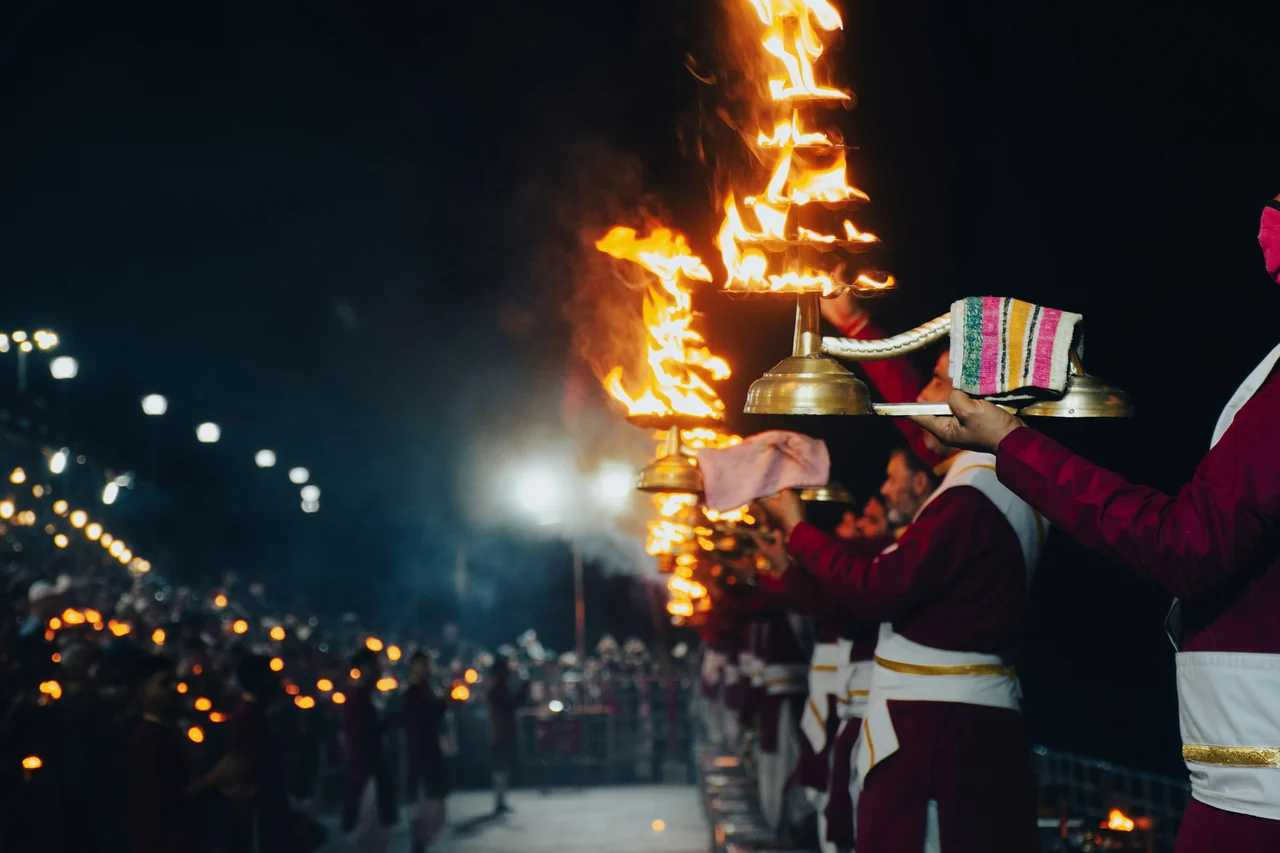
A guide to the ancestral fortnight: why Shraddha is performed, how its date is chosen and the places connected with it.
The ancestral fortnight
Pitrapaksha is the waning lunar fortnight set aside in Hindu tradition for offerings to departed parents and ancestors.
Families remember the deceased through Shraddha, a religious observance that can include water offerings, prepared food offerings, feeding and gifts. Some observe it at home; others travel to a place such as Gaya. The purpose is to honour the ancestors and seek their welfare.
The name combines pitr, meaning ancestor, and paksha, a half of the lunar month. In the North Indian Purnimanta calendar, it is Ashwin Krishna Paksha; in the Amanta calendar, the same fortnight is called Bhadrapada Krishna Paksha. The different month names refer to the same season of observance. Read how ancestral remembrance developed in the religious texts.
Religious significance
Shraddha expresses a continuing responsibility towards those from whom a family has received life and care. In its religious setting, the offerings are made for the satisfaction and welfare of the departed. Remembering their names, preparing an offering and feeding others give that intention a concrete form.
The Vishnu Purana, book 3, chapter 15, describes food and water offerings for paternal and maternal ancestors. Manusmriti 3.275 connects an offering made with faith and the prescribed observance with the ancestors’ lasting satisfaction. These passages explain the religious purpose behind the custom; family memories and gratitude also have a place in the day.
Does every family follow the same ceremony? No. The occasion matters: rites following a recent death, the annual death-tithi Shraddha and Pitrapaksha observance have different settings. Begin with the custom already followed in the family, especially in the first year after a death. The annual-tithi guide explains how those occasions differ.
The calendar
Pitrapaksha follows the Hindu lunar calendar, so its ordinary calendar dates change each year. A tithi is a lunar date, such as Pratipada or Amavasya. It may begin or end during the day. Use a calendar for the place where the ceremony will be performed.
Next observance · 2027 · New Delhi calendar
Source: Drik Panchang, New Delhi. Confirm the date and ritual timing for your city. These are religious-calendar dates, not an official Gaya Mela programme.
The appropriate day for a particular ancestor is often connected with their lunar death tithi. If it is unknown, Sarva Pitru Amavasya is commonly used for collective ancestral remembrance. A trusted priest can help explain the choice for your family.
See the full 2027 Shraddha calendarWords you will hear
The words describe different parts of remembering ancestors. A Shraddha ceremony may include both Tarpan and Pind Daan, along with prayer, food and gifts.
The wider ceremony for relatives who have died. It may be observed after a death, on an annual lunar date or on other religious occasions.
Offering water while remembering the ancestors. The accompanying materials and invocations follow the family’s ritual tradition.
Offering pindas: portions or balls of food, often made from rice or other prescribed ingredients. Gaya is especially associated with these offerings.
Giving or charity. Food, support and other offerings may be included according to the observance and the family's means.
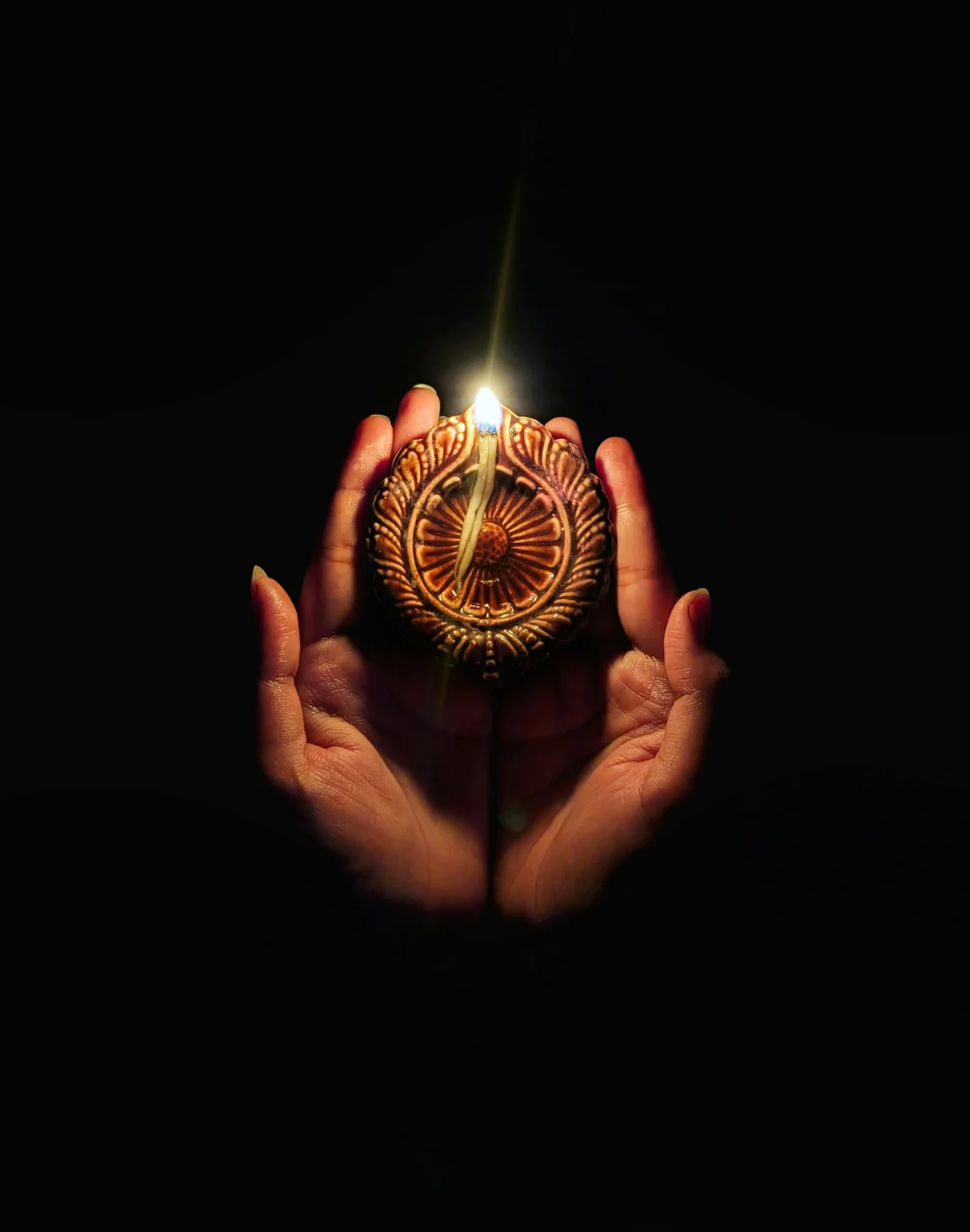
For a ceremony, your priest can explain its stages, materials and mantras—the words recited during the worship.
Places of remembrance
Pitrapaksha is observed in homes, local temples and pilgrimage centres. Each sacred place has its own traditions. The guides below explain its principal sites and the passages connecting them with ancestral rites.
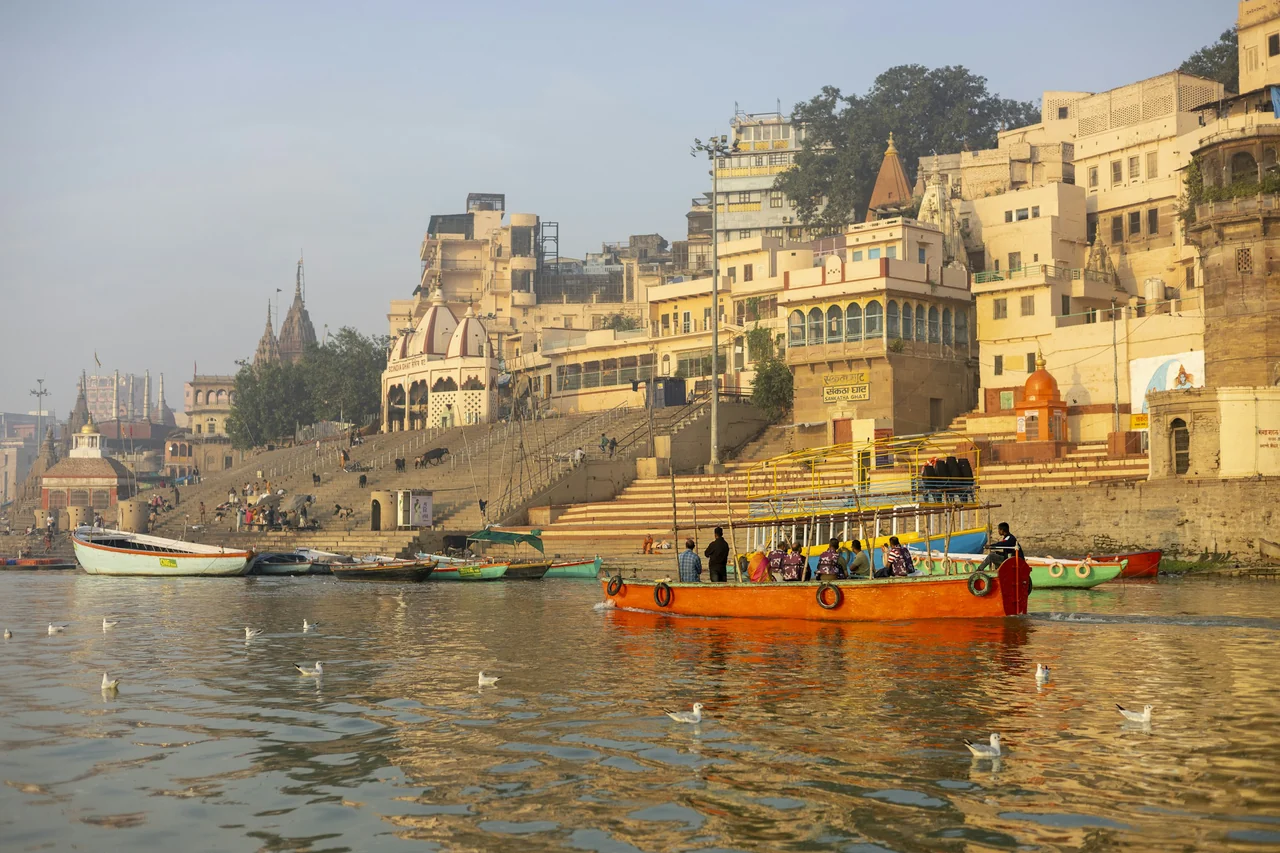
Bihar
Vishnupad, the Falgu, Akshayavat and Pretashila are part of a wider pilgrimage. Explore ten sacred places and the verses describing ancestral offerings there.
Explore the sites and original passagesUttar Pradesh
The Sangam’s ancestral rites, Akshayavat’s story, Bharadvaja’s ashram and Madhava worship, with the passages behind their religious importance.
Explore the sites and original passagesUttar Pradesh
Dharmakupa, Manikarnika and Pishachamochana: the ancestral rites described at each, with original Kashi-khanda verses and their meanings.
Explore the sites and original passagesUttarakhand
Ancestral offerings on the Alaknanda, the Kapalamocana story and the connection with Badrinath temple, with exact scripture references.
Explore the sites and original passagesGujarat
Bindu Sarovar and its surrounding shrines: the story of Kardama, Devahuti and Kapila, and the textual background to Siddhpur’s Matru Gaya tradition.
Explore the sites and original passagesIndia and diaspora communities
Family observances and remembrance through local temples are also part of the tradition. Families living abroad can consult their temple and a calendar calculated for their location.
All place guides and scriptural references
Related traditions can follow a different calendar. Kerala's Karkidaka Vavu Bali also honours ancestors, but takes place in the Malayalam month of Karkidakam, generally July–August. It should not be assigned the September Pitrapaksha dates.
Before you begin
Begin with a family conversation. Note whom you wish to remember, any known tithi and who will take part.
Frequently asked questions
From choosing a tithi to planning a visit. Open a question to read the answer.
32 questions across 5 topics
Pitrapaksha is the Hindu lunar fortnight set aside for remembering relatives who have died. Families may perform Shraddha, offer water in Tarpan, offer food in Pind Daan, and give food or charity according to their tradition.
Read more: Shraddha, Tarpan and Pind Daan: what is the difference?
Reference: Hindu American Foundation — Dharmic Days and Hindu Holidays
Many Hindu families understand it as a religious duty and an expression of gratitude to earlier generations. The duties and the way they are carried out depend on the family's religious tradition and inherited customs.
Read more: The history of Pitrapaksha
Reference: Association of Mandhata Samaj UK — Hindu Death Rites Guidelines
Resume the family’s regular observance and establish which rite was missed. An omitted annual Shraddha and an incomplete post-death ceremony are different situations; a missed year alone does not identify Narayan Bali or Tripindi as the required remedy.
No. Pitrapaksha is a period of the year; Pind Daan is an act of offering prepared portions of food for ancestors. Shraddha is the wider ceremony, which may include pindas and water offerings. Tarpan is the water offering itself.
Read more: Shraddha, Tarpan and Pind Daan: what is the difference?
Reference: Vishnu Purana, book 3, chapter 15 — water and food offerings
They mark different occasions. Annual Shraddha remembers a particular relative on their lunar death date, called the tithi. Pitrapaksha is a shared annual fortnight for ancestral remembrance. Your family's custom determines how it observes both.
Read more: How to find the annual Shraddha date
Reference: Himalayan Academy — Death and Dying, memorial observances
The New Delhi calendar gives 16–29 September 2027, from Pratipada Shraddha to Sarva Pitru Amavasya. Purnima Shraddha falls just before it, on 15 September. Check the calendar for the place where the ceremony will be performed, since its local timing matters.
Read more: Pitrapaksha 2027 dates and Shraddha calendar
Reference: Drik Panchang — 2027 Pitru Paksha calendar, New Delhi
Some calendars count the preceding Purnima Shraddha with the fortnight. Also, a lunar tithi does not always last from one midnight to the next. Read the named observance and its date rather than relying only on a total number of days.
Read more: Pitrapaksha 2027 dates and Shraddha calendar
Reference: Drik Panchang — 2027 Pitru Paksha calendar, New Delhi
Start with the relative's death details. The annual observance usually follows the lunar date, or tithi, rather than the same Gregorian date each year. If your records contain only an ordinary calendar date, take it to your priest to identify the corresponding tithi.
Read more: How to find the annual Shraddha date
Reference: Himalayan Academy — Death and Dying, memorial observances
Sarva Pitru Amavasya is a common occasion for remembering ancestors whose death tithi is unknown. Tell your priest what information you do have so the observance can follow your family's custom.
Read more: Sarva Pitru Amavasya: whom does it remember?
Reference: Association of Mandhata Samaj UK — Hindu Death Rites Guidelines
A calendar lists different ancestral observances; it does not mean every family must perform a separate ceremony on every date. Daily remembrance and a family's main Shraddha can be different. Establish which observances your family follows.
Not every rite has the same time. Many Shraddha traditions give importance to Aparahna, the afternoon ritual period. Ask for the time of your particular ceremony rather than assuming that every ancestral rite must start at sunrise.
Reference: BAPS Swaminarayan Sanstha — Hindu Rites & Rituals
No. Families observe Pitrapaksha at home, in local temples and at several pilgrimage places. Gaya is an important centre for Pind Daan, but the fortnight is observed far beyond that city.
Reference: Vishnu Purana, book 3, chapter 15 — water and food offerings
Yes, home Shraddha is part of Hindu practice. A priest who knows your family's custom can explain its preparation and sequence. A home observance and a separate pilgrimage rite may have different purposes.
Read more: Preparing for Shraddha: a family checklist
Reference: Himalayan Academy — Death and Dying, memorial observances
Yes. Families outside India also observe ancestral remembrance. Use a panchang, or Hindu calendar, calculated for your location, and consult a local temple or priest about the ceremony. An Indian city's clock time may not apply where you live.
Read more: How to find the annual Shraddha date
Reference: Association of Mandhata Samaj UK — Hindu Death Rites Guidelines
Women can perform ancestral rites in some textual and living traditions. Vishnu Purana 3.13 explicitly permits women to perform annual ancestral rites (Wilson translation, printed p. 319). Rules for a particular ceremony’s principal performer still follow its ritual tradition; a blanket statement that women can never perform Shraddha is too broad.
Reference: Vishnu Purana, book 3, chapter 13 — distinct ancestral rites
A son is not the only relative named in the texts. Vishnu Purana 3.13 lists grandsons, other kin and further alternatives, and also permits women in the circumstances it describes (printed pp. 318–319). The appropriate performer is chosen with the family’s relationships and the particular rite in view.
Reference: Vishnu Purana, book 3, chapter 13 — distinct ancestral rites
Yes. Remembrance includes mothers and maternal relatives as well as fathers. Siddhpur's Bindu Sarovar is especially associated with Matru Shraddha, remembrance of departed mothers. Families also honour mothers through their own established observances.
Read more: Matru Shraddha: remembering a deceased mother
Reference: Vishnu Purana, book 3, chapter 15 — water and food offerings
Shraddha offerings are for the deceased, not for a living parent. Having a living father does not settle every question about rites for other ancestors: Manusmriti 3.220–222 itself discusses living fathers or grandfathers and offerings to earlier generations. Identify the deceased relative and the intended ceremony before applying a rule.
Common materials include water, sesame, rice or other grains, food and kusha, a grass used in ritual. The exact list depends on the ceremony. Ask for the list for your rite before gathering materials.
Read more: Preparing for Shraddha: a family checklist
Reference: BAPS Swaminarayan Sanstha — Hindu Rites & Rituals
Remembering a relative and offering personal prayer are different from conducting a formal ceremony. If you intend to perform Shraddha or another prescribed rite for the first time, seek guidance on its sequence, materials and words.
Fasting customs depend on the family and the rite. Find out which custom applies to the person performing the ceremony. If you have a medical condition or take regular medication, discuss fasting with your clinician and explain any limits to the priest.
Many observing families keep a simpler routine and postpone weddings or other auspicious celebrations. Food customs differ between households. Start with the practice your family follows rather than combining every restriction found online.
Reference: Hindu American Foundation — Dharmic Days and Hindu Holidays
Do not treat shaving as a rule for everyone attending Pitrapaksha. Customs about the mourner’s hair after a recent death belong to that mourning observance; they do not establish a requirement for every guest at an annual Shraddha. Confirm any requirement for the principal performer of the particular rite.
Reference: Association of Mandhata Samaj UK — Hindu Death Rites Guidelines
No. Pitrapaksha is the annual remembrance period. Narayan Bali is a particular rite centred on Narayana worship for the departed. Tripindi is a different ancestral rite involving three distinct pinda offerings. Their shared connection with ancestors does not make them interchangeable.
Giving food or other charity can be part of ancestral remembrance. Whether it can take the place of a particular ceremony depends on that ceremony and your tradition. First identify the rite in question and ask which parts it requires.
Read more: Gau Daan: meaning, religious significance and forms of giving
There is no single price for every observance. Ask for the materials, dakshina—the priest's honorarium—and any other arrangements to be explained separately. Keep travel and accommodation costs apart from the ceremony, and distinguish voluntary donations from agreed expenses.
Yes. Religious teachings include observance according to one's means. Explain what you can afford and ask which materials and arrangements are necessary. A larger expense is not a measure of greater sincerity.
Read more: Preparing for Shraddha: a family checklist
Reference: BAPS Swaminarayan Sanstha — Hindu Rites & Rituals
Sankalpa is the formal statement of the observance’s purpose. It identifies the performer, the deceased or ancestors being remembered and the rite intended. Have the names, relationships and known family lineage ready, and say clearly when a detail is unknown.
Note the deceased person's name and relationship, the death date or known tithi, any known gotra or traditional lineage name, and earlier ceremonies. Leave unknown details marked as unknown so the priest can explain how to handle them.
Confirm which sacred sites you will visit, the meeting point, ceremony and time. Check walking and steps, help for elderly relatives, accommodation and travel expenses. Current local-administration notices are useful for crowd arrangements and access changes.
No. The panchang gives the dates of religious observances; the administration announces the fair's arrangements separately. We have not verified an official programme for the 2027 Gaya Mela. Check the issuing authority's current notice before relying on an event schedule.
Read more: Pitrapaksha 2027 dates and Shraddha calendar
Reference: Official Gaya Pind Daan / Pitrupaksha Mela portal
No. Pitrapaksha is a publication about ancestral traditions, scriptures and sacred places. It provides sources for readers to examine and does not speak for a government department or temple committee.
No matching question. Try a shorter word, or browse the topics above.
References
Scriptures and named religious traditions explain the practices. Government sources are used only for geography and visitor arrangements; calendar calculations come from an identified panchang. Sources checked on .
Read our editorial policy for sourcing and updates.
The journal
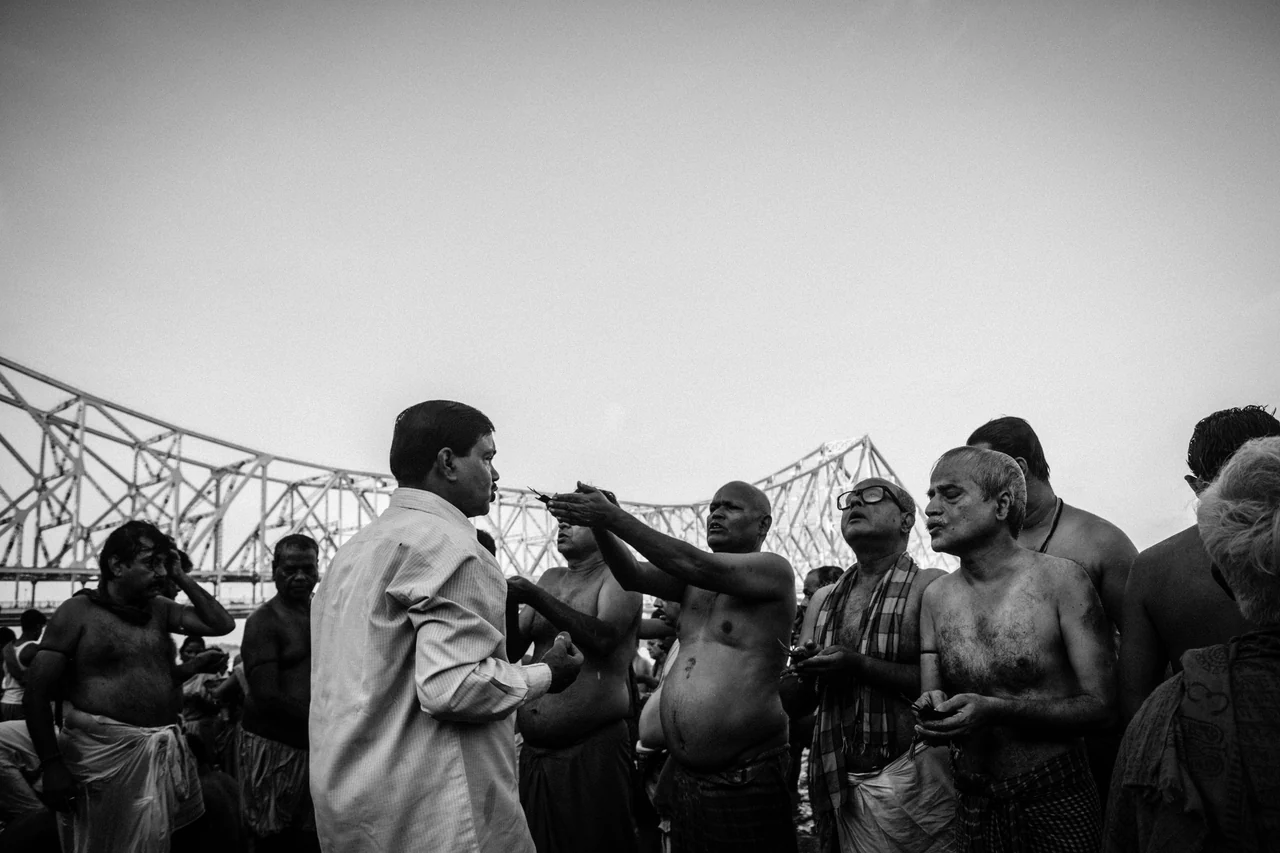 History
Trace ancestral remembrance from Rigveda 10.15 to later Shraddha texts and the annual fortnight. What can these sources tell us about its origins?
Read article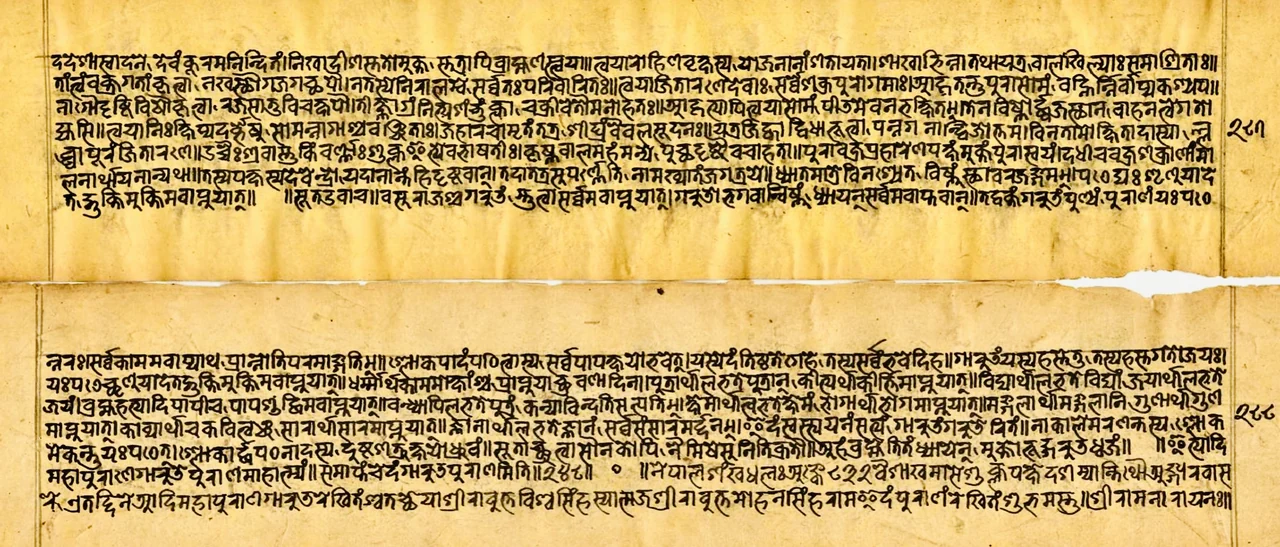 Rituals
What Narayan Bali is, why it is performed, its main stages and its relationship to Nagbali, with references to the Garuda Purana.
Read article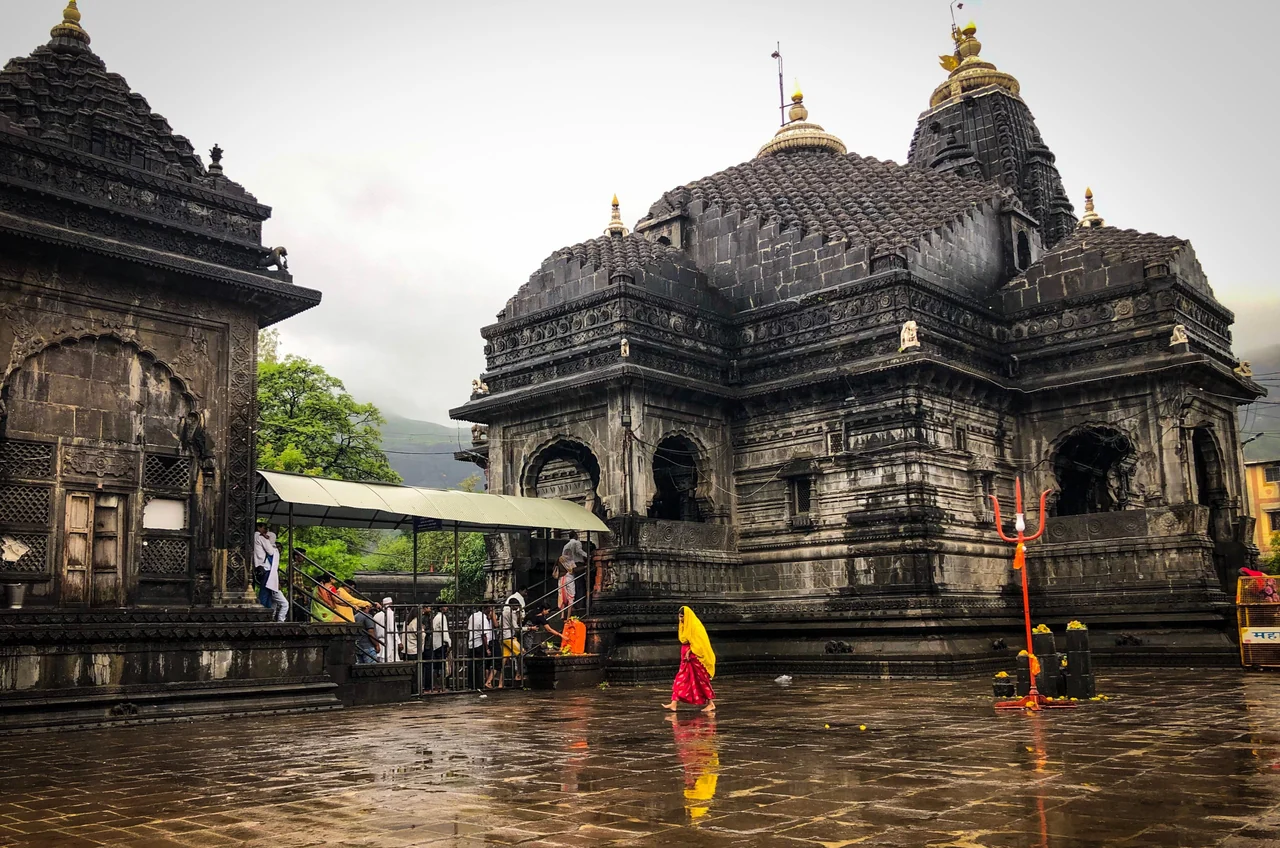 Rituals
What Tripindi Shraddha is, why it is performed, the meaning of its three offerings and how its purpose differs from annual Shraddha.
Read article Calendar guide
New Delhi: Pratipada Shraddha on 16 September and Sarva Pitru Amavasya on 29 September 2027. Includes Purnima Shraddha on 15 September and the full tithi list.
Read articleRead the full library for guides to rituals, scriptures, history and pilgrimage. News updates will identify their issuing source and publication date.
About this publication. Pitrapaksha brings together explanations of ancestral traditions, practical guides and relevant updates. Each article identifies its sources and publication date.
About Pitrapaksha