Tradition, pilgrimage & ancestral remembrance

An independent publication
for families & readers

Pitrapakshaश्रद्धा · स्मरण · परंपरा

Guides & perspectives
in Hindi and English

Ancestral pilgrimage in India

Prominent Pitra Tirths by State — Sacred Places for Shraddha and Pind Daan

Gaya, Prayag, Siddhpur and Rameswaram belong to different sacred landscapes, but each has a connection with remembering the departed. This state-wise guide explains where the principal places are, which sacred sites to look for and how they relate to Shraddha, Tarpan or Pind Daan.

What is a Pitra Tirth?

A Pitra Tirth, also written Pitri Tirtha, is a pilgrimage place associated with offerings to ancestors. Shraddha is an act of remembrance and offering; Tarpan usually involves water offerings; Pind Daan involves offering pindas, commonly made from rice or other prescribed food. A place may be associated with one or several of these observances. This is a selection of prominent places, rather than a complete list of every ancestral pilgrimage site in India.

Understand the difference between Shraddha, Tarpan and Pind Daan

Bihar

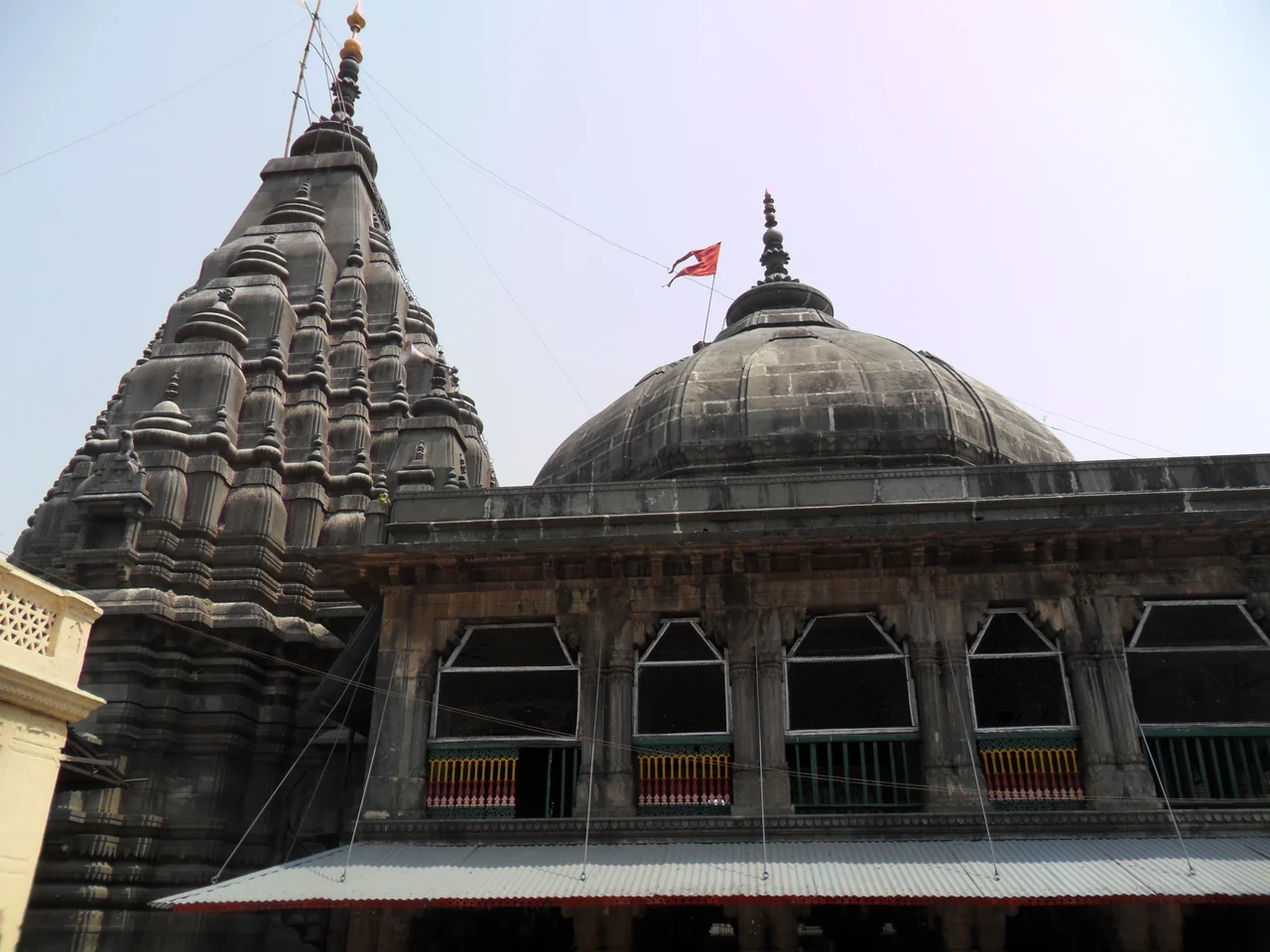
The carved stone shikhara and mandapa dome of Vishnupad Temple in Gaya

Gaya / Gayaji

Vishnupad · Falgu River · Akshayavat · Pretashila

Gaya’s ancestral pilgrimage extends beyond one temple or riverbank. Vishnupad is associated with Vishnu’s sacred footprint; the Falgu, Akshayavat and Pretashila are among the places visited for offerings to the departed. The choice of sites and the length of the observance depend on the family’s rite and tradition.

The Garuda Purana’s Gaya chapters describe Shraddha and Tarpan at named tirthas, while the Vayu Purana’s Gaya account describes the sacred footprints and several places for pinda offerings. These texts explain why Gaya has such a strong place in Hindu ancestral pilgrimage. The detailed guide covers ten sacred sites and the passages associated with them.

Read the sacred-site guide and original passages

Uttar Pradesh

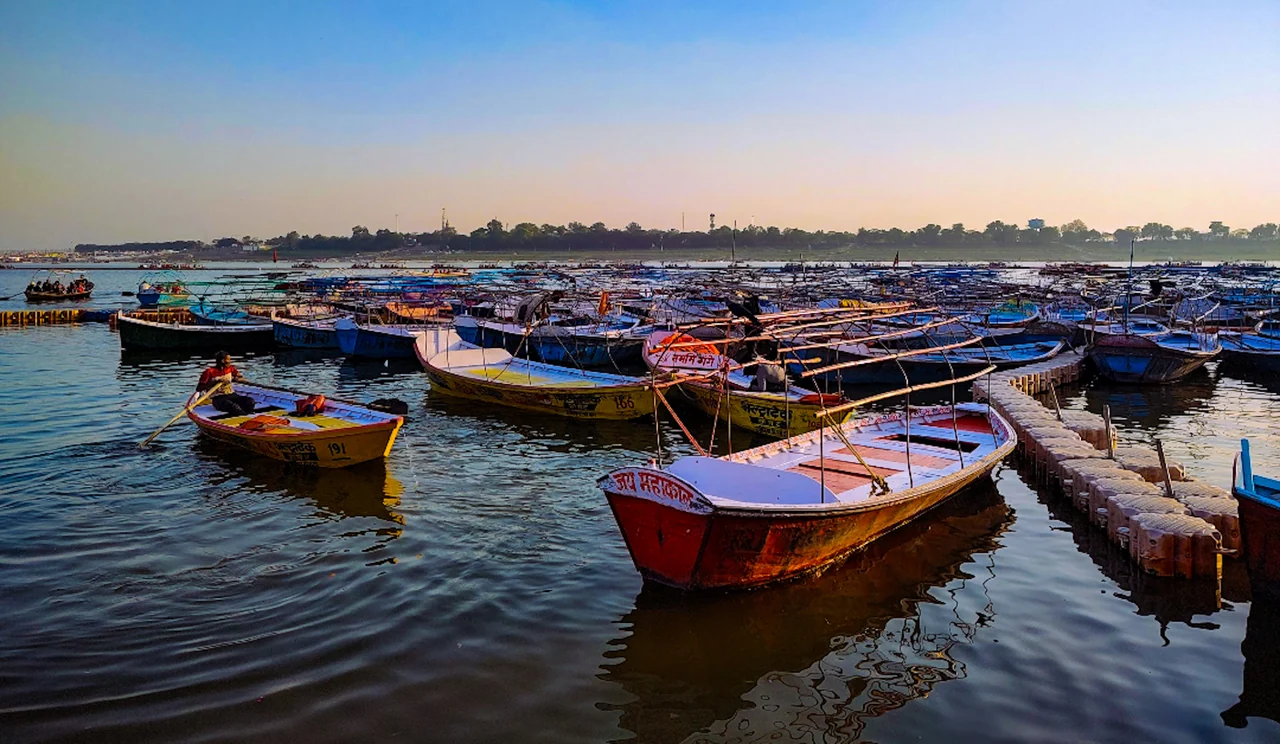
Colourful wooden boats and their reflections at Triveni Sangam in Prayagraj

Prayag / Prayagraj

Triveni Sangam · Akshayavat · Bharadvaja Ashram · Madhava shrines

The Sangam is the meeting of the Ganga and Yamuna, with Sarasvati understood in the religious tradition as the third river. Families come to Prayag for sacred bathing and ancestral offerings. Akshayavat, Bharadvaja’s ashram and the Madhava shrines form part of the wider pilgrimage landscape.

The Padma Purana’s Prayag account explicitly praises Shraddha for ancestors at the confluence. The Narada Purana also describes Tarpan to ancestors and gods during a longer Prayag observance. The detailed guide explains these rites alongside the city’s other sacred places.

Read the sacred-site guide and original passages
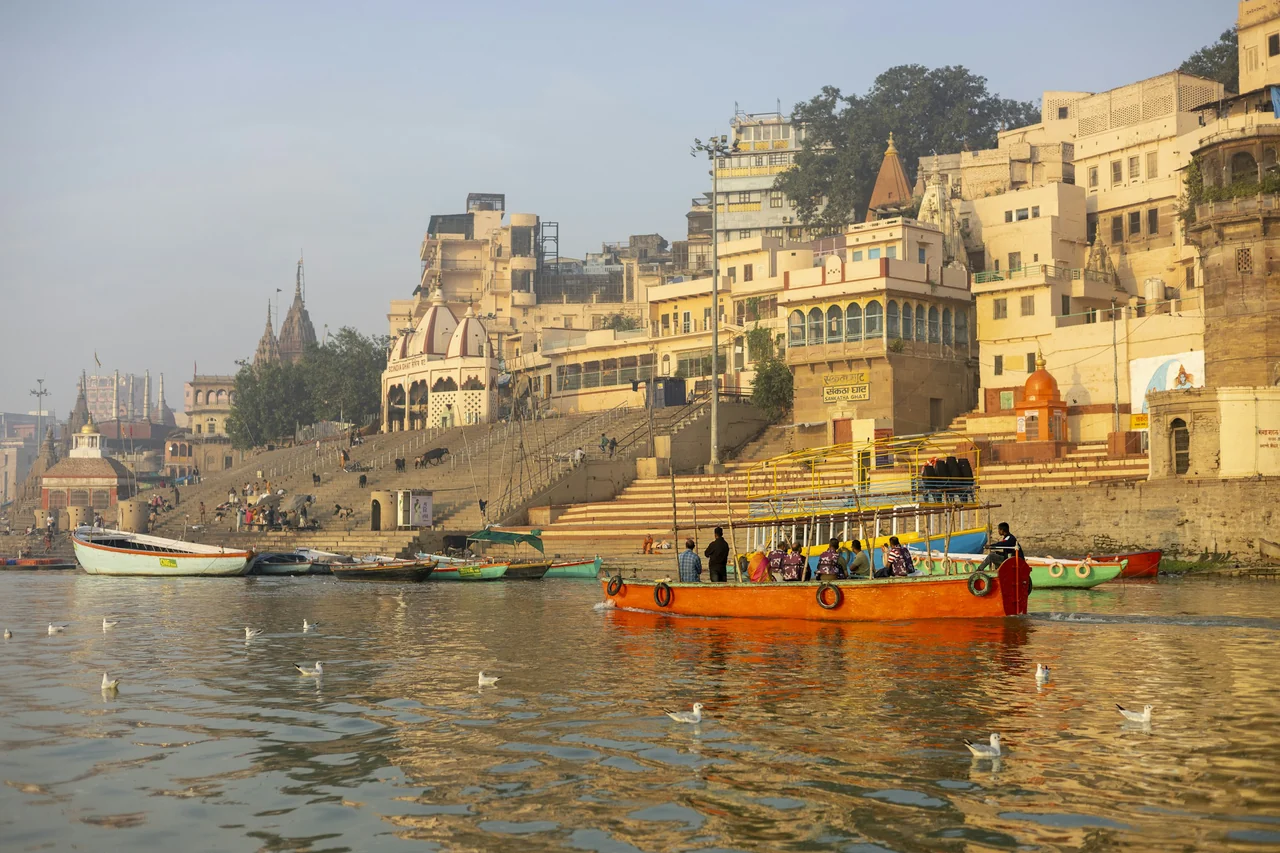
Sunlit ghats and temples behind an orange boat on the Ganga in Varanasi

Kashi / Varanasi

Dharmakupa · Manikarnika · Pishachamochana

Kashi’s association with the departed is not confined to its cremation ghats. Dharmakupa, Manikarnika and Pishachamochana have distinct places in the city’s ancestral traditions. Knowing the intended rite helps a family understand which place is relevant.

The Kashi-khanda of the Skanda Purana describes Shraddha at Dharmakupa, ancestral water offerings connected with Manikarnika and offerings at Pishachamochana. The detailed guide treats these separately, with the original passages and their meanings.

Read the sacred-site guide and original passages

Uttarakhand

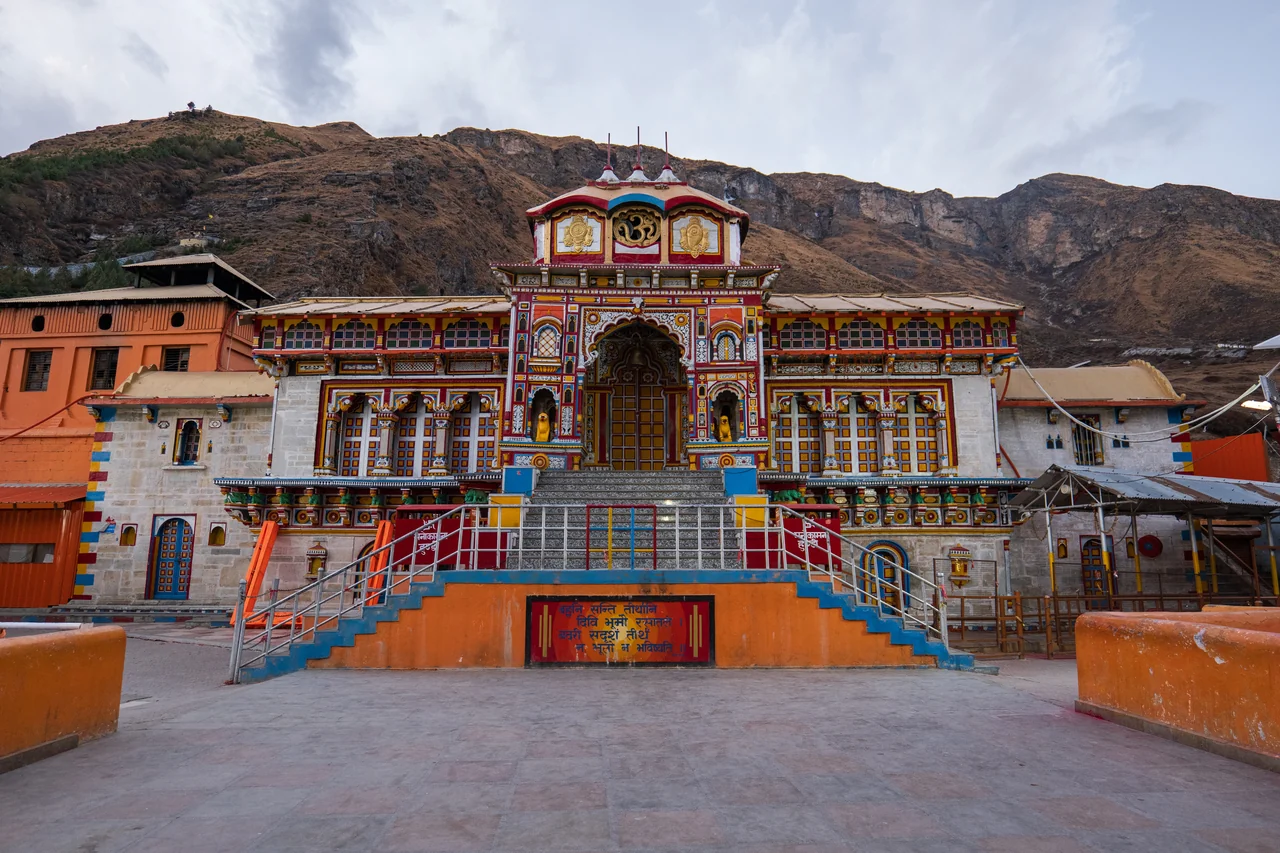
The colourful facade and entrance steps of Badrinath Temple against Himalayan slopes

Badrinath and Brahma Kapal

Brahma Kapal · Alaknanda River · Badrinath Temple

Brahma Kapal is the ancestral offering place beside the Alaknanda at Badrinath. It is connected with pinda offerings and sesame-water Tarpan, while the nearby Badrinath temple forms the devotional centre of the wider visit.

The Skanda Purana’s Badarikashrama account explains the sacred importance of Kapalamocana and ancestral offerings there. Families often want to know how a pilgrimage offering relates to their annual Shraddha; these are distinct contexts, and the family’s continuing observance follows its tradition.

Read the sacred-site guide and original passages

Gujarat

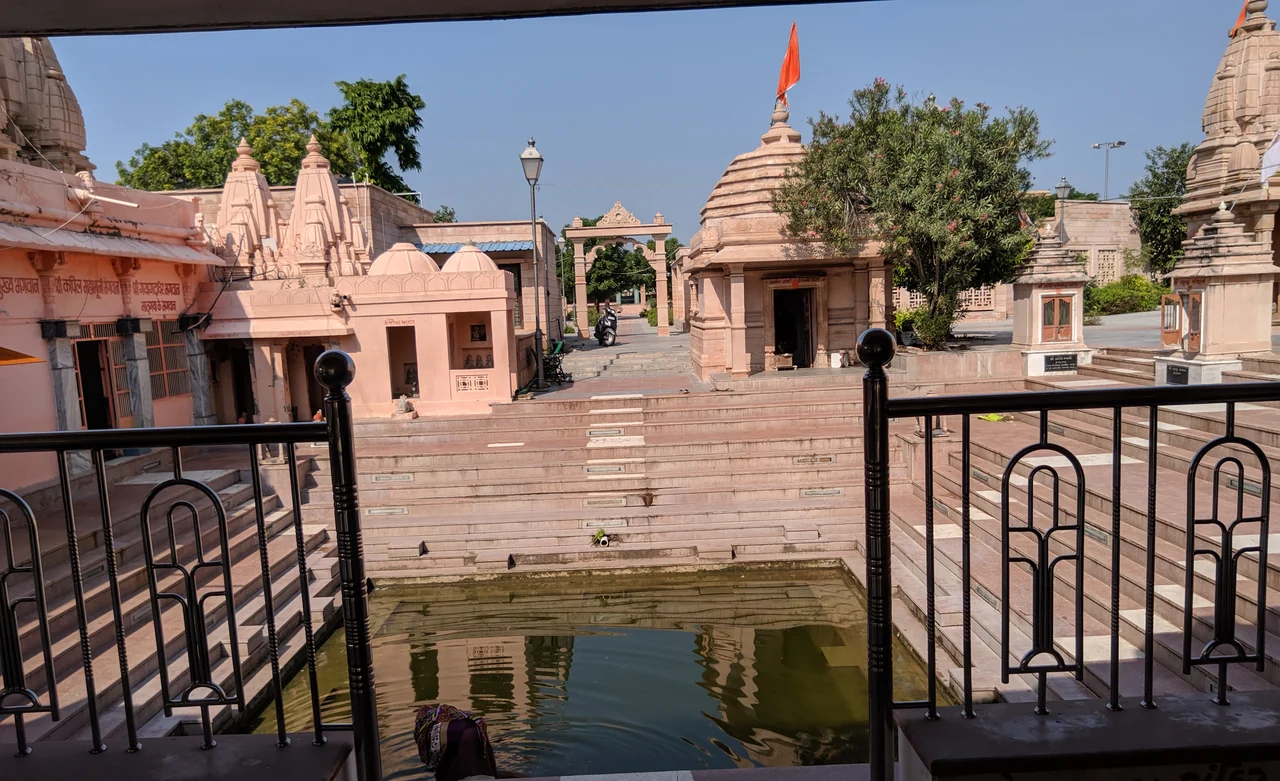
Pink shrines and steps surrounding the water of Bindu Sarovar in Siddhpur, Gujarat

Siddhpur and Bindu Sarovar

Bindu Sarovar · Kapila and Devahuti shrines · Gnan Vav

Siddhpur is particularly associated with Matru Shraddha, remembrance and offerings for a deceased mother. The focus is Bindu Sarovar and the shrines connected with Kardama, Devahuti and their son Kapila. This association gives the place its familiar name, Matru Gaya.

The Bhagavata Purana tells of Kardama, Bindu lake and Kapila’s teaching to his mother Devahuti, who is living in that account. Siddhpur’s religious tradition identifies its sacred landscape with this story. The later Satsangi Jivan also describes the place and Shraddha with pindas.

Read the sacred-site guide and original passages

Haryana

Pehowa / Prithudaka

Prithudaka Tirtha · Sarasvati pilgrimage region

Pehowa is identified with the ancient tirtha Prithudaka in the Sarasvati region. It belongs in a guide to ancestral pilgrimage because the Mahabharata’s Tirtha-yatra account describes bathing at Prithudaka and worship of the ancestors and gods.

The Padma Purana also includes Prithudaka among places associated with Shraddha. Its place in the ancestral pilgrimage tradition therefore rests on both the Mahabharata’s tirtha account and the Purana’s discussion of Shraddha.

Rajasthan

Pushkar

Pushkar Tirtha · Sacred lake and pilgrimage area

Pushkar is widely associated with Brahma, but its ancestral connection is also explicit in the Padma Purana. The Srishti-khanda describes Pushkar as dear to the ancestors and praises offerings made there; the same chapter later mentions pindas and Shraddha in the Pushkar pilgrimage area.

Maharashtra

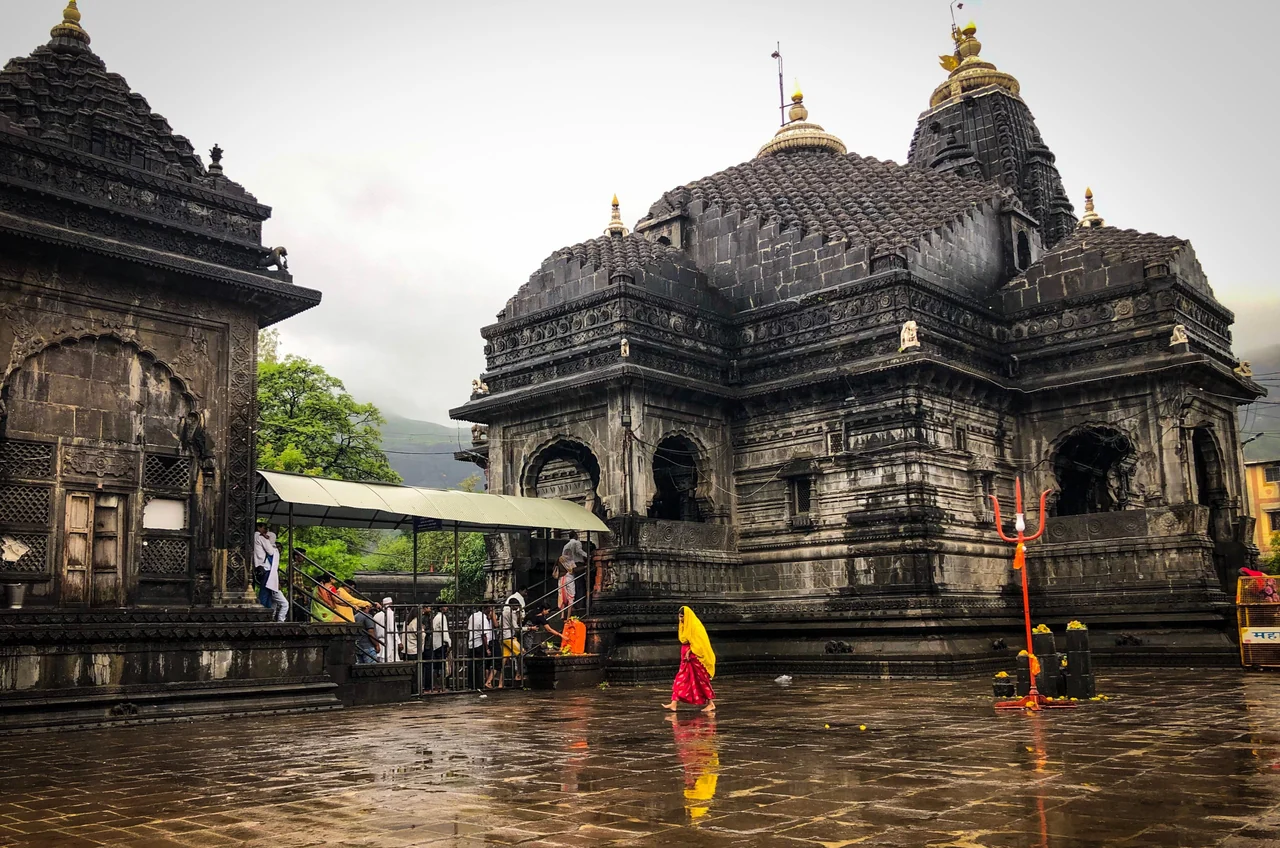
Carved dark-stone buildings of Trimbakeshwar temple reflected in its wet courtyard

Trimbakeshwar and Kushavarta

Tryambakeshwar Temple · Brahmagiri · Gangadwar · Kushavarta Kund

The Trimbakeshwar pilgrimage area near Nashik includes the Jyotirlinga temple, Brahmagiri, Gangadwar and Kushavarta Kund. Kushavarta has a direct ancestral association in the Brahma Purana’s Gautami-Mahatmya: bathing and charitable giving there are described as bringing satisfaction to the ancestors.

This connection is distinct from the meaning of any particular ceremony. Families hearing about Narayan Bali or Tripindi should first understand the rite being proposed; these names are not interchangeable with ordinary Shraddha or Tarpan, and the Kushavarta passage does not say that all ancestral rites must take place here.

Odisha

Puri and Indradyumna Lake

Indradyumna Lake · Purushottama Kshetra

Puri’s Purushottama Kshetra has an ancestral offering tradition alongside its association with Jagannath. Indradyumna Lake provides a particularly clear example: the Skanda Purana’s Purushottama-kshetra-mahatmya describes bathing, libations to ancestors and Shraddha at this lake.

The account specifically praises Shraddha on the Bhadrapada new moon and certain other sacred occasions. Indradyumna Lake is therefore a named ancestral offering place within the wider pilgrimage to Puri.

Tamil Nadu

Rameswaram and the Setu coast

Rameswaram pilgrimage area · Setu · Dhanushkodi

Rameswaram’s ancestral pilgrimage belongs to the wider sacred region of Setu. In the Skanda Purana’s Setu-mahatmya, a pilgrimage sequence includes sesame-water offerings to the ancestors, followed by Shraddha and pinda offerings. The account also describes carrying out these observances at Dhanushkoti, now commonly written Dhanushkodi.

Karnataka

Gokarna

Gokarna sacred area

Gokarna is named among the ancestral pilgrimage places in the Matsya Purana. The surrounding passage connects Shraddha at the listed tirthas with enduring religious merit, giving Gokarna a textual place in a state-wise account of Pitra Tirths.

Kerala

Thirunelli

Sree Mahavishnu Temple · Wayanad

Thirunelli’s Sree Mahavishnu Temple in Wayanad maintains a Pitru Puja tradition for departed ancestors. The temple describes this worship in terms of ancestral satisfaction and the spiritual welfare of the departed.

This is a living temple tradition. Families familiar with northern Indian Shraddha may find different names, timings and forms of offering in Kerala; understanding the local observance helps explain how ancestral remembrance takes shape here.

Questions about ancestral pilgrimage

Must Shraddha be performed at one of these places?

A pilgrimage offering and a family’s regular Shraddha are related observances, but one is not automatically a substitute for the other. Many families observe Shraddha at home or through a local temple. A distant journey is not the only way to remember the departed; the appropriate observance depends on the family’s tradition and circumstances.

Is there one best place for every family?

The texts praise different tirthas in their own sacred accounts. Gaya’s named places, Siddhpur’s Matru Gaya tradition and Setu’s pilgrimage sequence have different contexts. Decide which ancestral rite you mean before comparing destinations. A claim that one place guarantees a result, or cancels all later family duties, needs more care than a general statement of a tirtha’s importance.

Are these rites limited to Pitrapaksha?

No single date rule covers every place and every rite. Pitrapaksha, a relative’s annual lunar death-tithi and a pilgrimage offering are different contexts. Regional calendars and temple customs also vary. The fortnight’s dates are a useful starting point, but they do not by themselves settle the timing of every ancestral ceremony.

See the Pitrapaksha 2027 calendar