Shraddha is an observance in honour of the ancestors; Tarpan is the offering of water; Pind Daan is the offering of prepared food portions called pindas. Water and food offerings may form part of a Shraddha ceremony, which is why the three names are often heard together.
Traditions
Shraddha, Tarpan and Pind Daan: what is the difference?
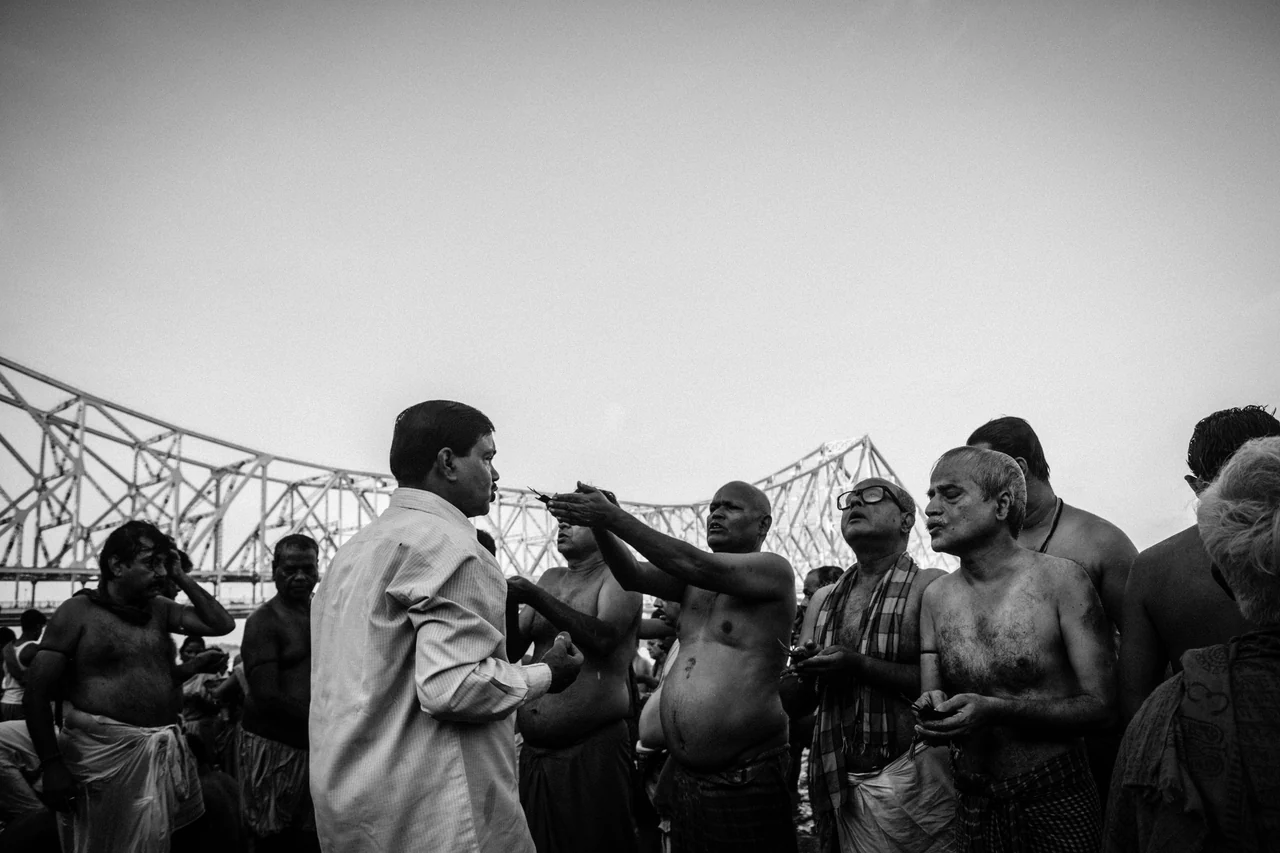
For example, when a family remembers a departed parent, the occasion may be annual Shraddha. The water offered during it is Tarpan, and the food portions offered to the ancestors are Pind Daan.
The difference at a glance
| Term | Meaning | What it identifies |
|---|---|---|
| Shraddha | Ancestral observance performed with reverence | The religious occasion and its observances |
| Pitri Tarpan | Water offered to the departed | A particular offering |
| Pind Daan | Prepared food portions offered to the departed | A particular offering |
What does Shraddha include?
Shraddha brings together remembrance, prayer, offerings and hospitality. Depending on the occasion, it can include water, pindas, feeding and charity. The family’s tradition gives these actions their order and identifies the relatives being remembered.
It may be observed after a death, on an annual death tithi, or during Pitrapaksha. Vishnu Purana III.13 also discusses ancestral offerings on auspicious family occasions. The word therefore covers more than a single post-death ceremony.
What is offered in Tarpan?
In Pitri Tarpan, water is offered while remembering the departed. Sesame and invocations may accompany it, according to the procedure. Vishnu Purana III.15 describes sesame-water among ancestral offerings.
Tarpan also occurs in worship directed to deities and sages. The name Pitri Tarpan makes clear that the offering is for the ancestors. A family may perform water offerings as a regular observance or within a fuller ceremony.
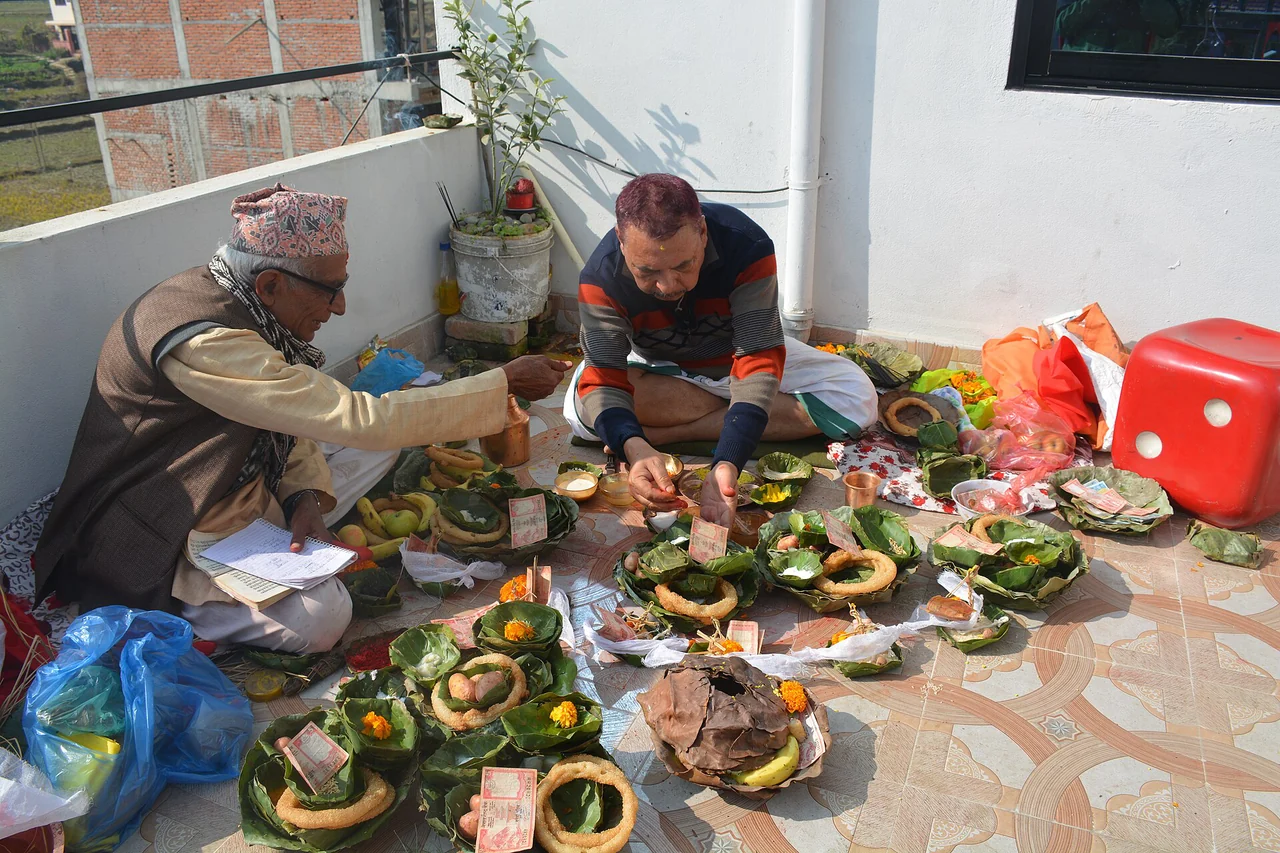
What is a pinda in Pind Daan?
A pinda is a portion of food prepared for a ritual offering, often formed into a ball. Rice offerings appear in Vishnu Purana III.15 and in the earlier account of ancestral offerings in Shatapatha Brahmana 2.4.2. The food is directed to the ancestors through the prayers and names used in the ceremony.
The grain, number of portions and recipients vary with the rite. Pindas offered during annual Shraddha and those joined during Sapindikaran serve different purposes.
Can Tarpan alone complete a Shraddha?
A prescribed Shraddha may include other actions as well as water offerings. Whether a simplified form applies depends on the occasion, circumstances and tradition. To understand what is being arranged, ask for the name of the observance and its included actions.
Where do the other ritual names fit?
| Rite | Main purpose |
|---|---|
| Parvana Shraddha | Offerings to the ancestors together. |
| Sapindikaran | Joining the newly deceased with the ancestral group. |
| Narayan Bali | Narayana worship and offerings for a particular post-death situation. |
| Tripindi Shraddha | Three distinct offerings with prayers for the departed, including forgotten ancestors. |
| Gau Daan | A religious cow gift, which may be dedicated to an ancestor. |
These names tell the reader why a ceremony is performed. Tarpan and Pind Daan describe actions that can occur within several of them.
Sources & further reading
- Vishnu Purana, book 3, chapter 15 — water and food offeringsH. H. Wilson translation, 1840; online printed pp. 325–331, especially 328–330. Rice balls, sesame-water, hospitality and gifts appear within a wider ancestral observance.
- Vishnu Purana, book 3, chapter 13 — distinct ancestral ritesH. H. Wilson translation, 1840; online printed pagination pp. 314–320. Distinguishes family-occasion offerings, post-death observances, ekoddishta and sapindana.
- Shatapatha Brahmana 2.4.2 — offerings to the FathersMadhyandina recension, Julius Eggeling translation, 1882; printed pp. 361–369. See 2.4.2.7–8, 16 and 18–24 for new moon, afternoon, water and rice-cake offerings.
- Manusmriti, chapter 3 — ancestral observancesGeorg Bühler translation, 1886. See 3.122–127, 275–278 and 283. A historical prescriptive text, not a universal statement of every present family custom.
- Garuda Purana, Preta-khanda 40 — Sanskrit textAncient Sanskrit primary text. Verses 1–18 give the Narayan Bali setting; 13–15 list multiple places; 32–38 describe one ritual arrangement. Religious descriptions are presented as textual teachings.
- Sanatan Sanstha — Narayan Nagbali and Tripindi ShradhReligious account: sections 3B, 5 and 6.
- Shankhayana Grihya Sutra IV.3 — Hermann Oldenberg, 1886Public-domain primary translation. Describes four vessels, the joining of the deceased’s portion with ancestral portions, a corresponding pinda action and timing alternatives.
Read our editorial policy for sourcing and updates.
All articles and guides