Gau Daan, also called Godana, is the religious gift of a cow. A living animal passes into the recipient’s ownership and care. Hindu texts praise the gift in connection with nourishment, livelihood and generosity; families may also make it in the memory of an ancestor.
Rituals
Gau Daan: meaning, religious significance and forms of giving
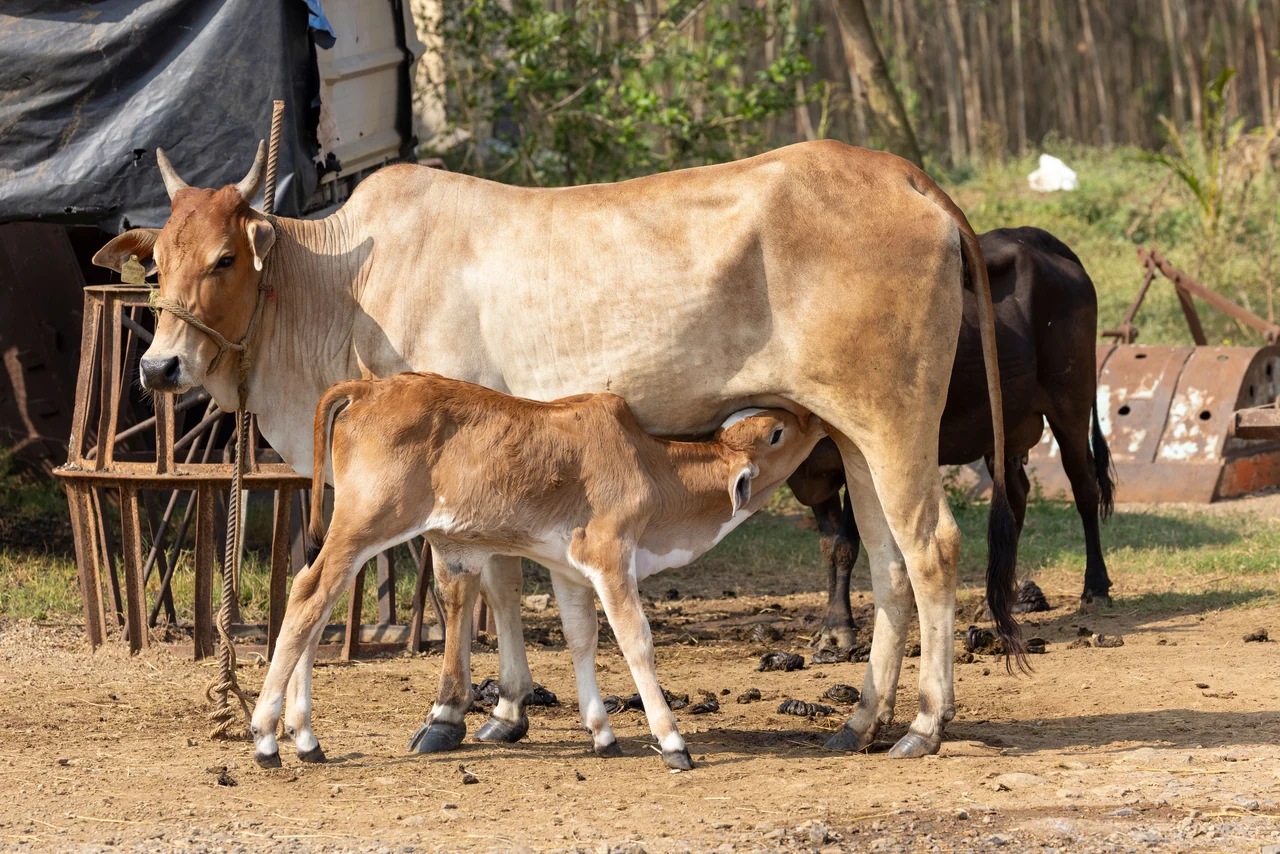
Today, the name is sometimes used for different arrangements: an actual cow gift, a representative ritual gift, or a contribution to cow care. Understanding which one is intended is the first practical question.
Why is the gift considered sacred?
The Mahabharata’s Anushasana Parva devotes several sections to cow gifts. Cows provide milk and support a household, so the gift carries both material value and religious merit. Sections 71 and 76 discuss the act of giving, the recipient and the circumstances of the gift.
The Garuda Purana, chapter 98 in M. N. Dutt’s translation, places cow gifts within a wider teaching on charity that also values food, water, shelter and care for people in need. Its cow-gift passage names a worthy Brahmin as recipient, while its wider teaching on charity asks the giver to help according to their means.
What does an actual Gau Daan involve?
For a living cow, a ritual declaration accompanies a real transfer. The giver must own the animal, the recipient must accept it, and there must be provision for its continuing food, water, shelter and treatment.
These concerns also appear in the scripture. Anushasana Parva 70 tells the story of King Nriga and a cow that was not his to give. Section 76 refers to lawful acquisition; section 77 criticises gifts whose condition creates suffering and burdens the receiver. Religious intention and responsibility for the animal belong together.
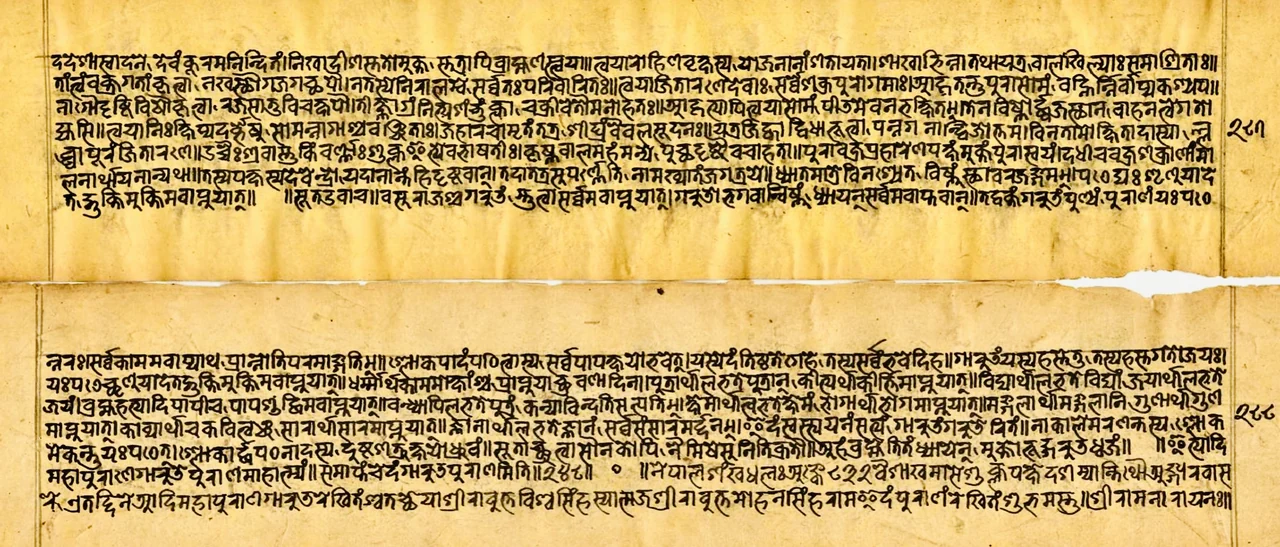
Gau Daan, a symbolic gift and gauseva
- A living cow gift: the recipient becomes the animal’s owner and assumes its care.
- A representative ritual gift: a symbolic form is offered according to a stated tradition or procedure.
- Gauseva: money, fodder, treatment or work supports cattle care; the donor may never acquire or transfer an animal.
Representative gifts have textual examples. Narada Purana, Uttarabhaga 42.5–10, describes a cow and calf formed from jaggery. That is a named religious observance; a modern contribution should likewise be described clearly by what is actually offered.
Can it be made during Pitrapaksha?
A cow gift or support for cow care can be dedicated to an ancestor’s memory. Pitrapaksha is one setting for such giving; Godana also appears in other religious circumstances. Anushasana Parva 71 discusses several occasions.
For a family planning a gift, the central questions are straightforward: what will be given, who receives it, and how will it be used or cared for? Feeding a cow is an act of care, while donating one transfers ownership. A meaningful act of remembrance can take a form within the family’s means.
Sources & further reading
- Garuda Purana, chapter 98 — Gift making and charity, M. N. Dutt, 1908Public-domain primary translation. Discusses suitable recipients, giving according to means, cow gifts and service to people who are sick, poor or travel-worn. Chapter numbering follows this edition.
- Garuda Purana, chapter 230 — Practical pieties, M. N. Dutt, 1908Public-domain primary translation. Places cow gifts alongside compassion, food for people in need and other public-benefit giving; mentions honest acquisition.
- Mahabharata, Anushasana Parva, section 70 — K. M. GanguliPublic-domain primary translation. The King Nriga narrative raises the issue of donating a cow that was not the giver’s property. Section numbering follows this translation.
- Mahabharata, Anushasana Parva, section 71 — K. M. GanguliPublic-domain primary translation. Discusses suitable recipients, care towards cattle and several occasions for giving cows.
- Mahabharata, Anushasana Parva, section 76 — K. M. GanguliPublic-domain primary translation. Describes a religious cow-gift observance and refers to lawful acquisition.
- Mahabharata, Anushasana Parva, section 77 — K. M. GanguliPublic-domain primary translation. Discusses the animal’s condition and the burden created by an unsuitable gift. The article does not reproduce the passage’s punitive rhetoric as present-day advice.
- Narada Purana, Uttarabhaga 42 — Gift of a jaggery cowPrimary-text translation, used briefly for the example in verses 5–10 of a cow and calf formed from jaggery. This does not establish that every modern representative gift is ritually identical.
Read our editorial policy for sourcing and updates.
All articles and guides