Before arranging Shraddha, put the family information and the intended occasion on one page. This gives the person guiding the rite a clear starting point and helps relatives understand what is being planned.
Practical guide
Preparing for Shraddha: a family checklist

1. Write down the family details
- The names of the relatives being remembered and their relationship to the main performer.
- A known gotra, the lineage name used in the family's rites.
- The recorded lunar month, fortnight and death tithi, or the original death date, time and place.
- The rites already performed, especially if the death was recent.
- The observance previously followed by the family.
Ask older relatives and check earlier notes before travelling. Leave uncertain information marked as uncertain. Read the annual Shraddha date guide if the civil anniversary and the lunar tithi are being confused.
2. Be clear about the ceremony
Say whether the family intends annual Shraddha, Pitrapaksha remembrance or a rite after a recent death. If a particular ceremony has been recommended, ask for its name, purpose and the reason it applies. Shraddha, Tarpan and Pind Daan describe related acts; they do not make every proposed ceremony identical.
Ask who will be the karta, the main performer, how other relatives can take part and roughly how long the ceremony will take. Explain different family customs or practical constraints before the day.
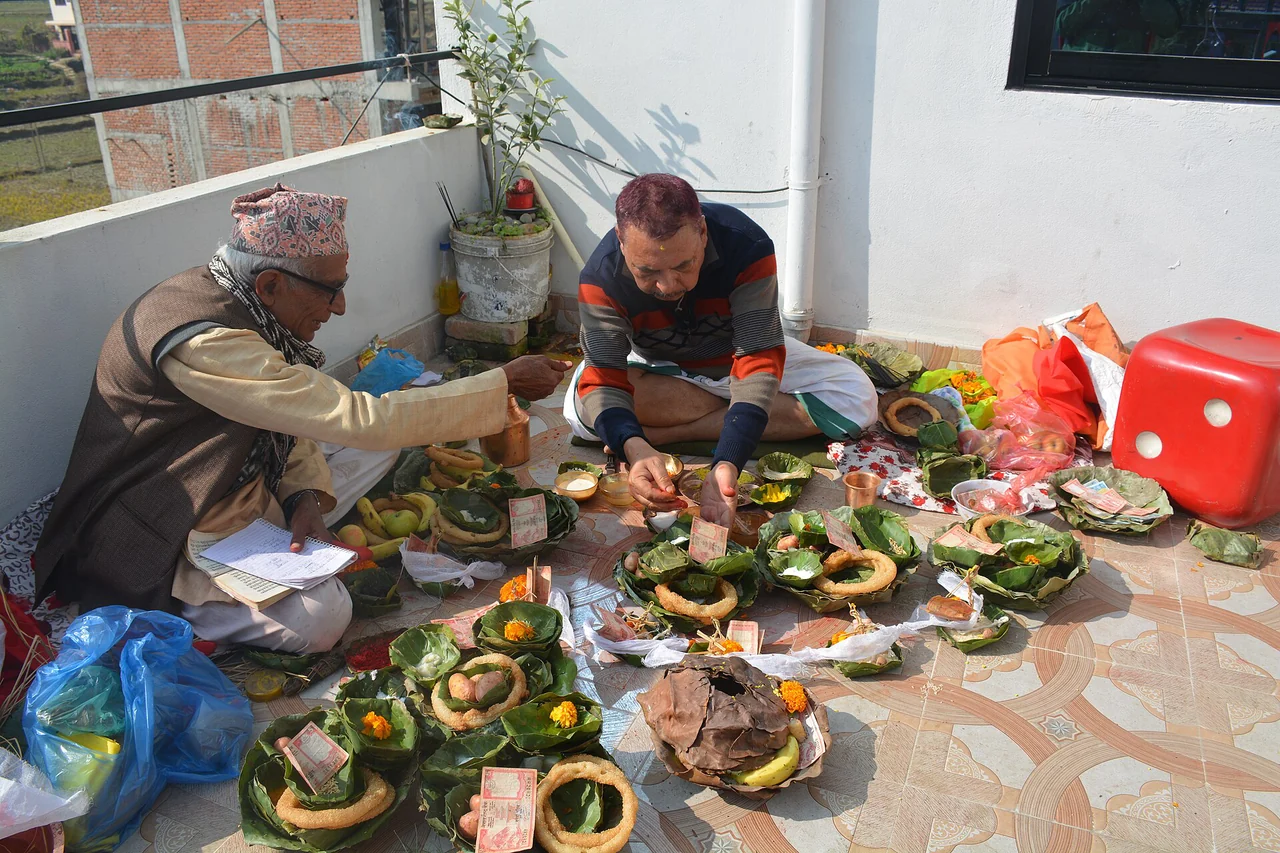
3. Confirm the date, place and materials
Record the selected date, local time, meeting point and a contact person. Ask which materials are supplied and which you should bring. Food and clothing requirements can vary with the rite and family tradition; get the relevant instructions instead of relying on a generic internet list.
If there are several sites, ask which part of the observance takes place at each. The place guides explain their religious associations; present access arrangements need a current local check.
4. Understand the costs
Ask for materials, the priest's dakshina or honorarium, transport and accommodation to be explained separately. Clarify which gifts are optional and who will receive them. A clear total avoids misunderstandings, while a larger amount does not by itself explain the religious purpose.
5. Plan for the people attending
- Check walking, steps, seating, toilets and waiting time for older relatives.
- Allow enough time between arrival and the ceremony.
- Discuss illness, accessibility needs or travel limits at the start.
- Ask before photographing someone else's ceremony.
- Keep the final arrangement and important family details available to the person attending.
A home observance and a pilgrimage need different practical arrangements. This checklist organises the information; the rite's actual procedure should be explained by someone familiar with your family's tradition.
Sources & further reading
- Himalayan Academy — Death and Dying, memorial observancesHome Shraddha, lunar death anniversaries and variation in memorial practices.
- BAPS Swaminarayan Sanstha — Hindu Rites & RitualsThe Shraddha discussion includes offerings, timing and observance according to means. It describes a particular religious tradition.
Read our editorial policy for sourcing and updates.
All articles and guides